
USA
Miami
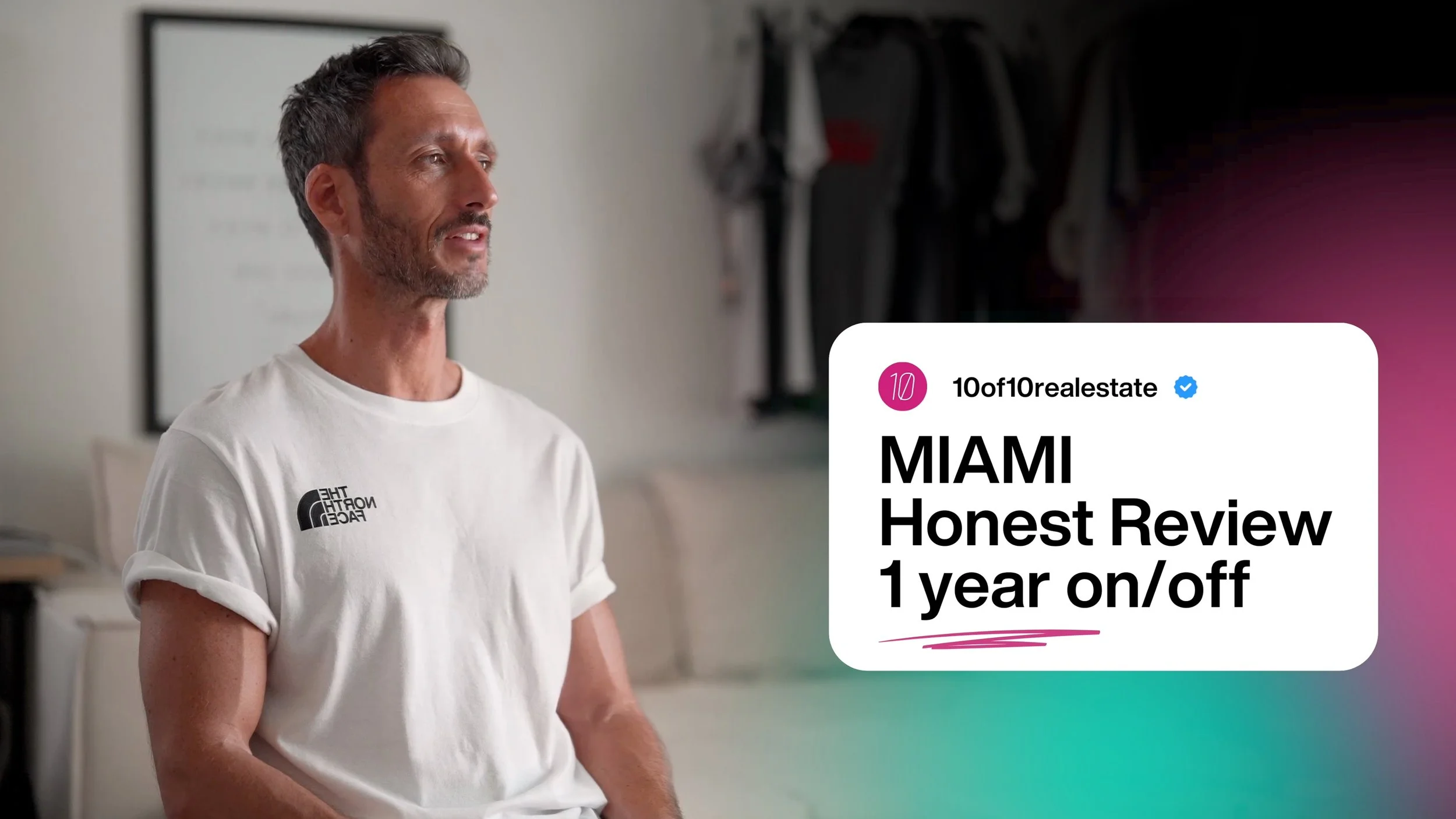
1 year on/off lived experience
Spending over a year in Miami on and off gave us the chance to experience its evolution — especially considering our first visit was more than 15 years ago.
Back then, Miami wasn’t the global hotspot it is today. Beach rents were still relatively affordable, and Wynwood was only beginning to emerge — still often labeled a rough or transitional area.
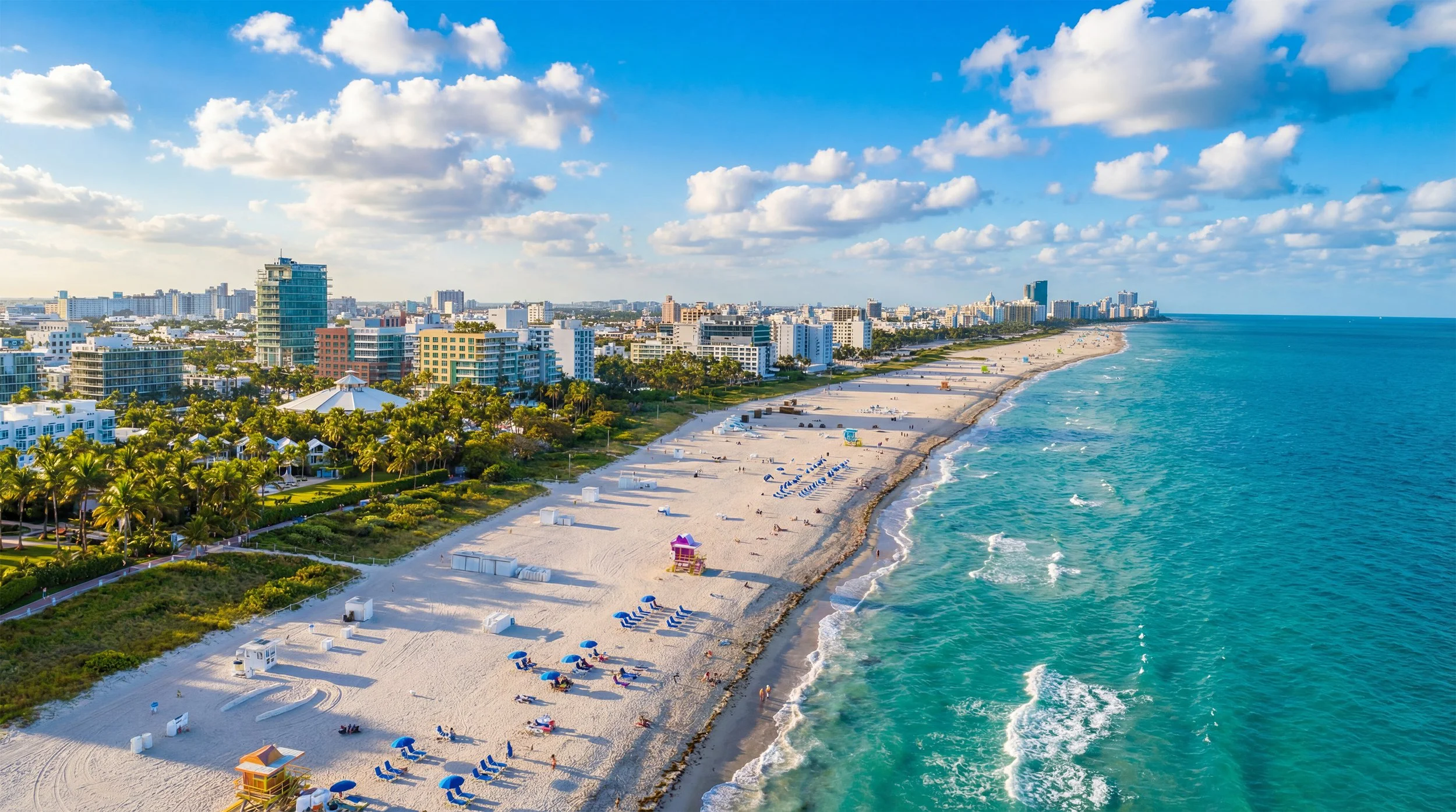
Miami is often reduced to its party image and surface-level glamour. But beyond that façade, there is depth. There are beautiful parks, outdoor gyms, and an active crowd running along the beach promenade, rollerblading, cycling, or training under the sun.
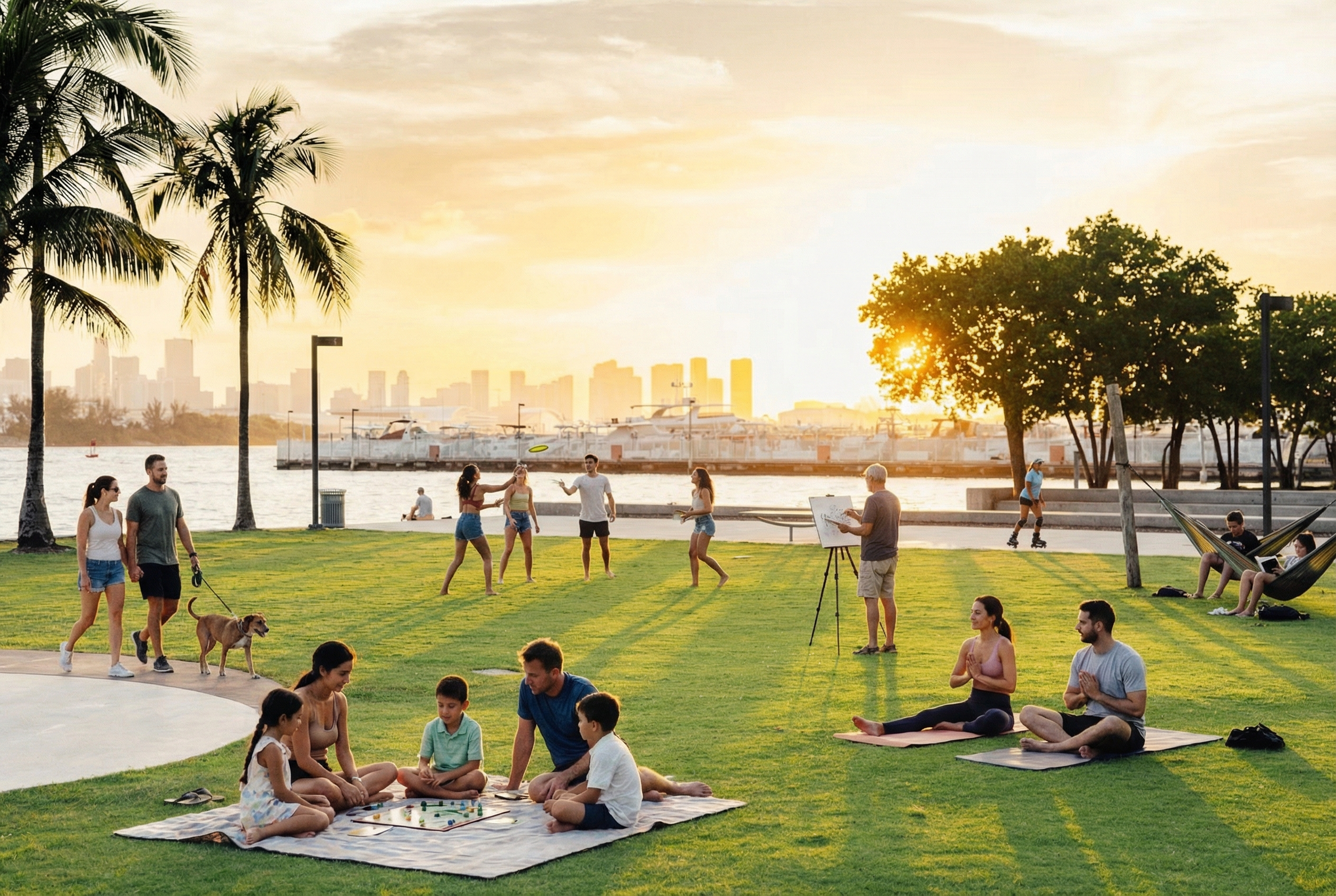
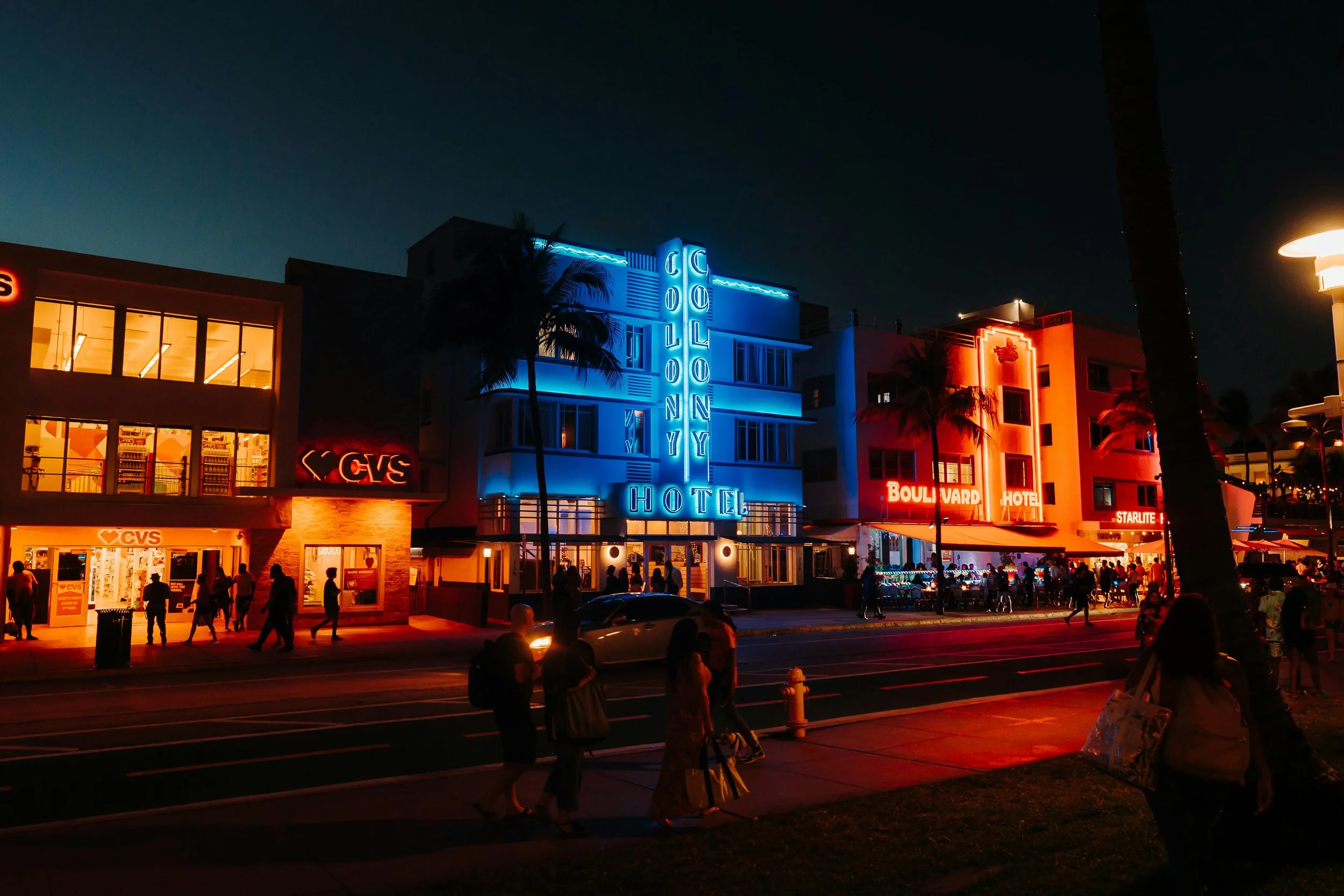
Life in Miami feels energetic and inspiring — yes, there are a few streets where you’ll encounter visible social issues, but that’s part of any major city. If you’re not spending your nights on Ocean Drive, you’ll find a very different side of Miami: conscious communities gathering at South Pointe Park, people walking their dogs, practicing acro yoga, playing music, or simply enjoying the ocean breeze.
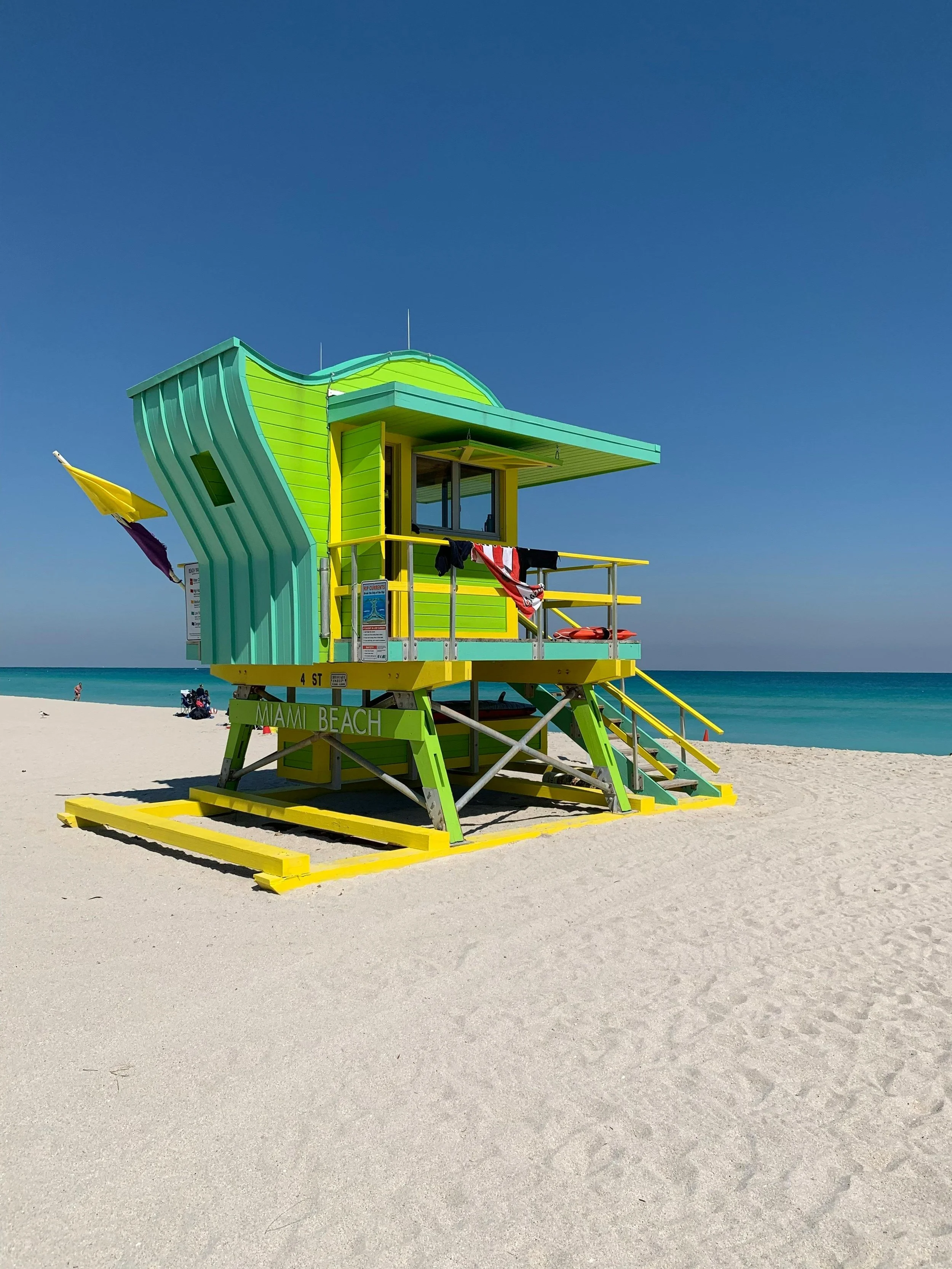
It’s easy to judge Miami from a distance. But if you look closer, you’ll find discipline, ambition, and hard-working individuals who value high living standards. While nightlife may dominate headlines, daily life often revolves around water sports, kitesurfing, boating, yoga, outdoor fitness, and an ocean-centered routine.
Neighborhoods worth watching include the ever-growing Wynwood, the financial pulse of Brickell, the increasingly noticed North Beach, and the lush, established charm of Coconut Grove. Beyond these, there are quieter pockets only locals truly appreciate — tree-lined streets, tropical parks, and neighborhoods that feel unexpectedly cozy and intimate within a fast-moving city.
Living in Miami: 10/10 Honest Overview
FAQ
Frequently asked questions
Who Thrives Living in Miami?
People who thrive in Miami are ambitious, network-oriented, and comfortable with visibility. Founders, investors, creators, remote executives, luxury professionals, and internationally mobile families tend to align well.
Miami rewards those who combine performance with presence.
It is a city for builders, connectors, and self-expressors.
Is Miami Expensive to Live In?
Yes — Miami has become significantly more expensive over the past five years, driven by luxury development, global capital inflow, and strong demand in prime areas like Brickell and Miami Beach.
Compared to Dubai, pricing at the top end is increasingly similar, though Miami feels more organically coastal and supply-constrained. Compared to Sydney, Miami is generally more tax-efficient and business-friendly. Compared to Singapore, Miami offers more space, lower taxation, and stronger lifestyle-to-cost flexibility.
It’s no longer a low-cost city — but among global hubs, many still see Miami as competitively positioned when factoring in tax advantages, climate, and ocean access.
Short answer Yes
What Is Miami’s Future Trajectory?
Miami is in a mid-boom to maturing phase.
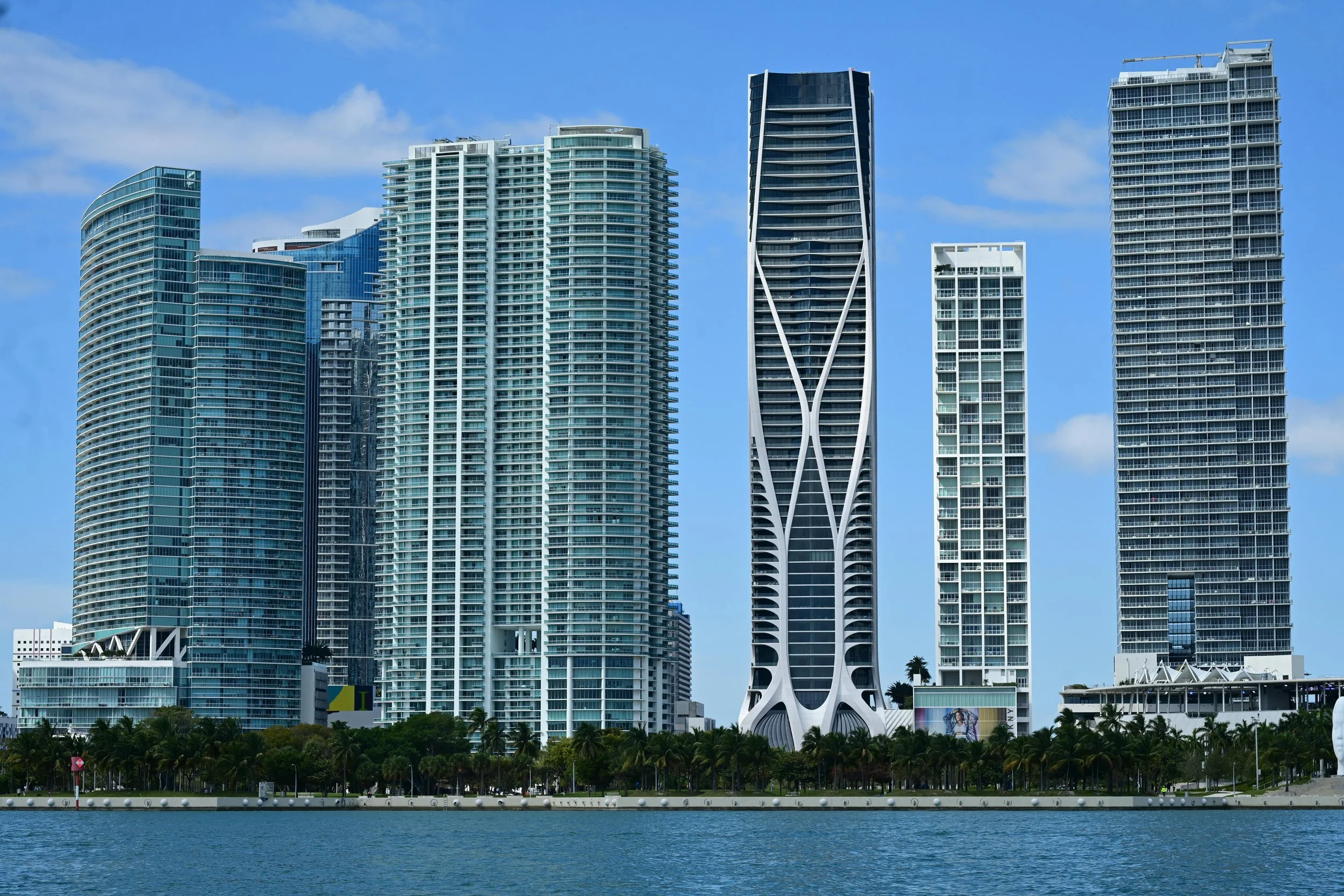
Large-scale branded residences, mixed-use developments, and infrastructure upgrades are reshaping the skyline.
Over the next 5–10 years, Miami is likely to solidify its role as the capital of the Americas for finance, tech, and luxury lifestyle migration.
Growth will continue — but with increasing selectivity and higher entry thresholds
Why Is Miami Trending Right Now?
Miami is trending because it has evolved from a seasonal beach city into a global capital hub for finance, tech, crypto, hospitality, and luxury development. Since 2020, capital and talent have relocated from New York, California, Latin America, and Europe. No state income tax, pro-business policies, international accessibility, and year-round climate have accelerated this shift. Miami is no longer just lifestyle-driven — it is infrastructure-backed growth with global ambition.
If you’re seeking momentum, opportunity, and global energy, you’ll feel at home



What Is Daily Life Like in Miami?
Mornings often start with beach walks, fitness, or cafés. Afternoons revolve around business, networking, and development-driven environments like Brickell, Wynwood, or Miami Beach. You will see people being active, walking dogs, training in parks, playing tennis.
Daily life in Miami blends ocean access with a high end urban intensity. Traffic exists. Construction is constant and growth is visible.
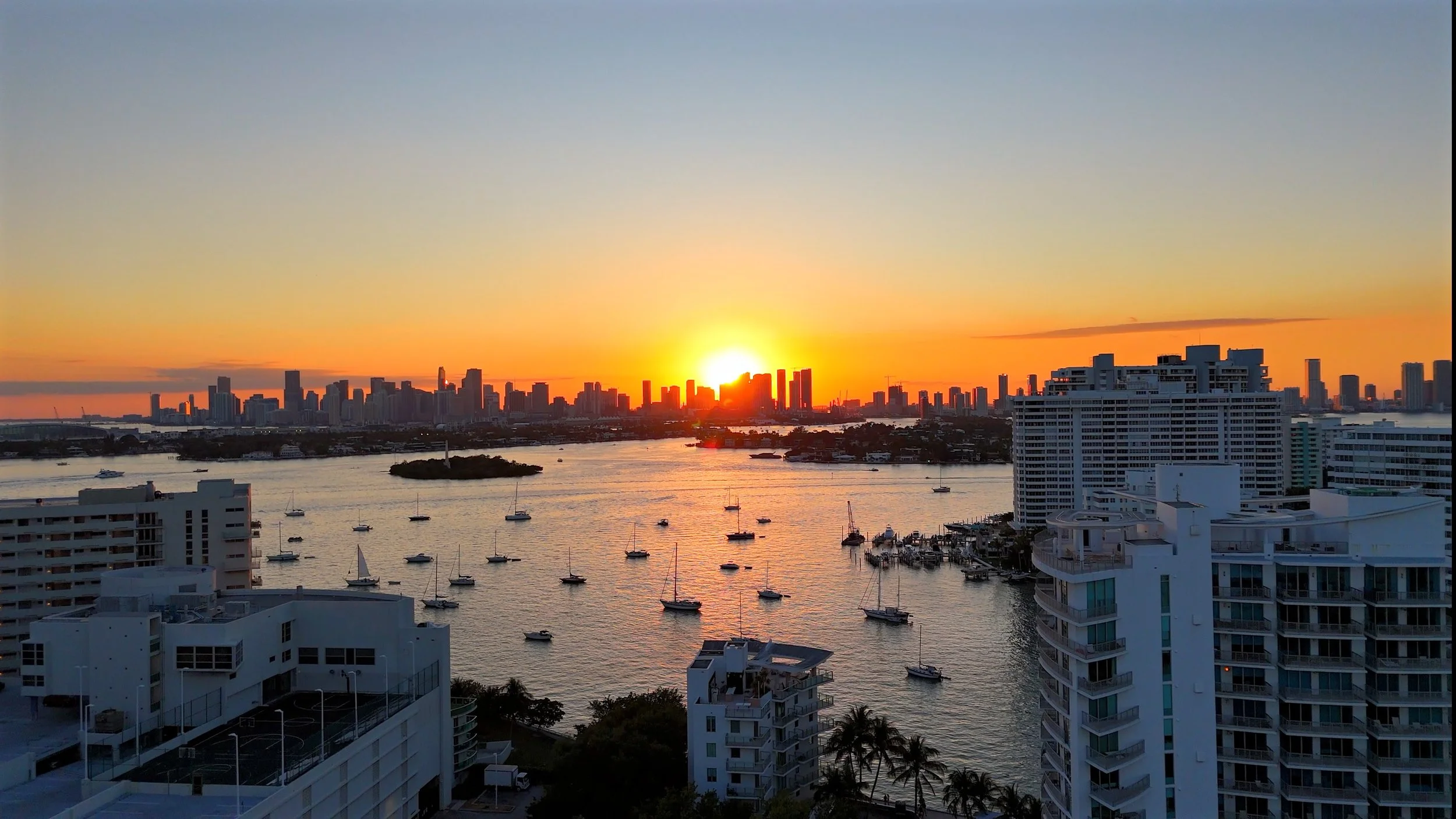
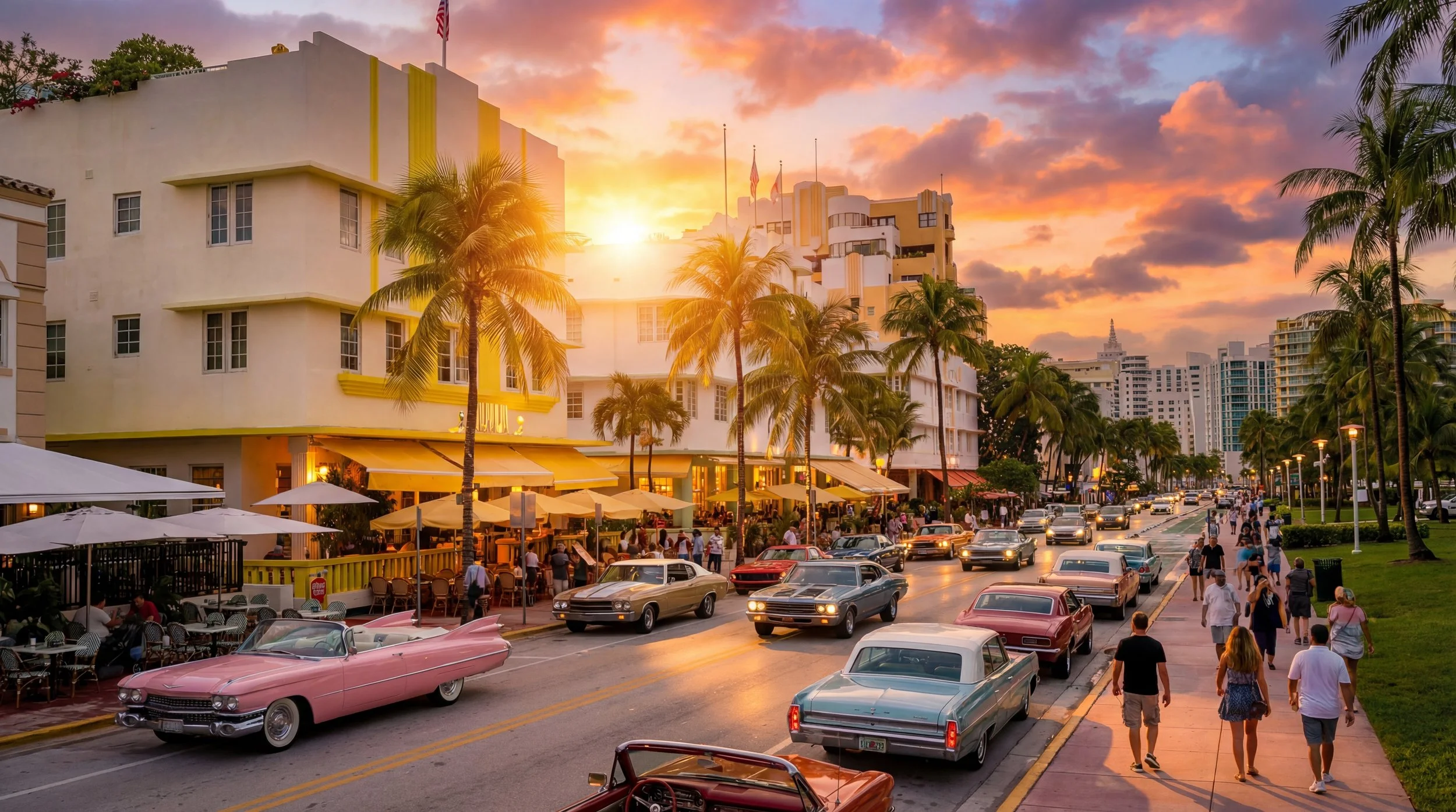
What to expect: Perfect bodies, Spanish, Fancy Cars, Amazing sunsets and views
What Are the Trade-Offs of Living in Miami?
What you gain in Miami:
• Climate
• Ocean proximity
• Global energy
• Economic opportunity
What you give up:
• European-style order
• Predictable pricing
• Quiet anonymity
• Slow growth environments
Miami is dynamic. If you prefer stable, understated systems, friction may occur.
Who Living in Miami Is Ideal For
Founders, investors, and creators who thrive in fast-moving, opportunity-driven environments
People who want a balance of ocean lifestyle and big-city ambition
Individuals who value self-expression, international energy, and cultural diversity
Professionals building networks in finance, tech, crypto, hospitality, media, or luxury industries
Who Miami Is NOT Ideal For
People seeking quiet, slow-paced, small-town living
Those expecting European-style order, bureaucracy, or long-term stability
Individuals sensitive to rapid growth, rising costs, and visible wealth culture
People who prefer understated environments over bold, expressive social energy
Those uncomfortable with traffic, development cycles, and constant reinvention
Are you and Miami A good Match?
BOTTOM LINE
Based on lived experience across multiple destinations — and years spent comparing global lifestyle hubs — Miami stands out as a place that genuinely feels like home.
If you’re wired for high standards, an active lifestyle, visible ambition, and a touch of material expression, Miami will likely speak your language.